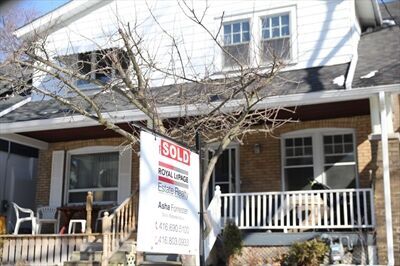
If you’re going to make a pre-emptive offer, one with few or no conditions attached has the best chance of success, says Toronto real estate broker Wins Lai. But it can be a risky move. - R.J. Johnston
If you’re going to make a pre-emptive offer, one with few or no conditions attached has the best chance of success, says Toronto real estate broker Wins Lai. But it can be a risky move. - R.J. Johnston
The bidding war. The most stressful — and unpredictable — part of the home-buying process.
You love the property, put in your offer, and lose to someone else. Repeatedly.
With stiff competition in Toronto’s scorching real estate market, you need to have a strategy if you’re going to win, so we talked to some experienced real estate experts to find out what works.
ARTICLE CONTINUES BELOW
Make a pre-emptive offer: Wins Lai, a Toronto real estate broker, says you should ask your agent to find out if the seller will accept pre-emptive offers. If so, you can make an offer on the spot before the official offer date. If it’s accepted, you can avoid a bidding war altogether.
Make your offer clean: Whether if it’s a pre-emptive offer or a regular bid, your offer has a higher chance of success if it’s “clean,” Lai says, meaning there are no, or very few, conditions attached, such as a post-bid home inspection or securing financing. If you make a clean offer you need to do your due diligence. That means paying for your own home inspection of the property in advance and getting a mortgage pre-approval from your lender.
Have your deposit ready: Both Lai and Re/Max realtor Tim Syrianos recommend having your deposit ready before you make a bid. This typically means going to the bank before the offer date and getting a certified cheque or bank draft. Typically around five per cent of the offer is standard. If accepted, it goes toward your down payment. “It puts the buyer in a position of strength,” Lai says.
Make a connection: Some buyers have had success writing a personal letter to the seller as they might be more inclined to sell to a growing family or first-time homeowner, versus an investor trying to turn a profit, Lai says.
ARTICLE CONTINUES BELOW
Don’t get emotionally invested: Getting too attached to a property can interfere with your ability to make smart financial decisions. “Most people won’t get the first property they bid on,” Syrianos says. “Never think, ‘I lost my dream home,’ because the first home is unlikely to be your forever home.”
Anyone can read Conversations, but to contribute, you should be a registered Torstar account holder. If you do not yet have a Torstar account, you can create one now (it is free).
To join the conversation set a first and last name in your user profile.
















Anyone can read Conversations, but to contribute, you should be a registered Torstar account holder. If you do not yet have a Torstar account, you can create one now (it is free).
To join the conversation set a first and last name in your user profile.
Sign in or register for free to join the Conversation