


Toronto asked a court on Tuesday to shut down Uber operations in its territory, with the city claiming the technology company is operating illegally as a taxi brokerage and limousine service.
The U.S.-based phone application is also "jeopardizing public safety" for both Uber customers and drivers who don’t have a taxicab license, alleged Tracy Cook, executive director of the city’s Municipal Licensing and Standards Division.
Taxi companies in Toronto and across Canada have been pressing the city to aggressively prosecute Uber, which has been used locally since 2012 and in September started recruiting drivers without taxi licenses for a new service, UberX.
"This is not about protecting anyone’s economic interests. This is about protecting the public and upholding the law," Cook told reporters on Tuesday afternoon at a press conference at Toronto City Hall.
"The service that’s being provided is that of a taxicab service, and we regulate taxicab service in this city."
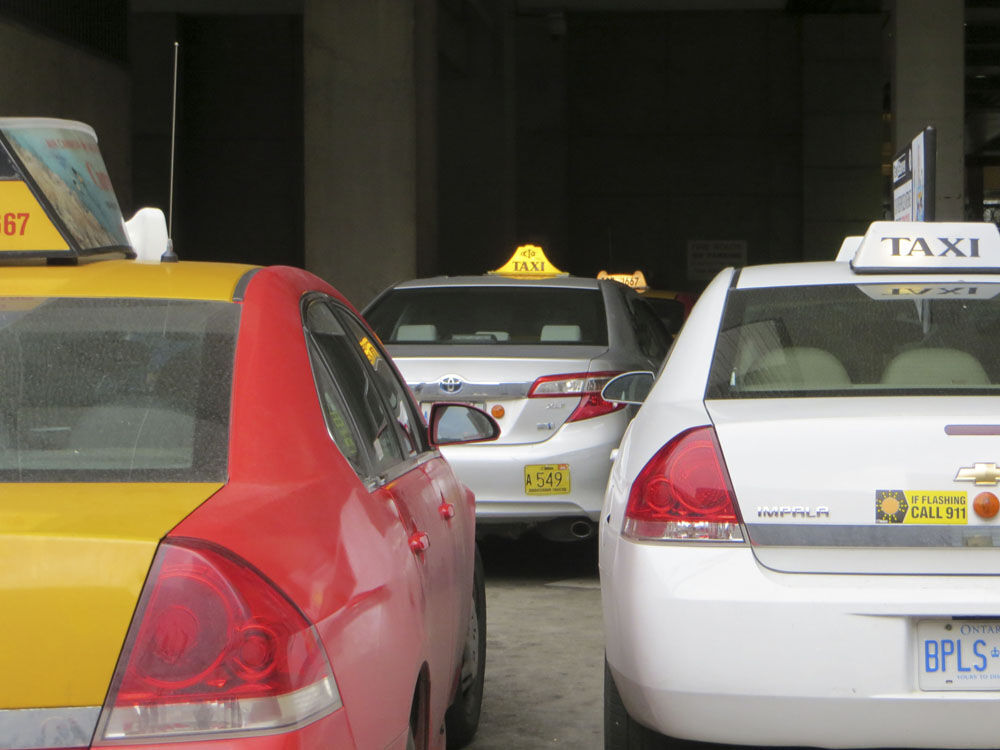
Cook’s announcement was witnessed and applauded by representatives of the taxi industry, which in Toronto employs more than 15,000 people, including 10,191 drivers, with 4,853 licensed cabs.
"We are all in favour of competition, but we want fair competition," said Gail Souter, president of Beck Taxi, a brokerage for 1,800 cabs. "Following the rules is just mandatory here in Toronto."
In a statement, Uber said it was disappointed "that city bureaucrats have deployed expensive legal tactics to attempt to halt progress, limit consumer choice and force a broken transportation model on the public."


Torontonians, it added, took to Uber "in droves because it offers something better than what bureaucrats and the taxi cartel have provided to date."
The company, which says it offers safe and affordable transport options "designed for what consumers want today," had feared such a move by the city: during the municipal election campaign it appealed to users, saying its future in Toronto was "under threat," and more than 14,000 signed a petition in support.
Uber on Tuesday added it still wants to work with the city to find a "common sense approach to regulations that promote public safety and create a permanent home for Uber in Toronto."
Cook, however, said city staff has talked with Uber about how to operate legally – by applying for a $300 taxi brokerage license, for instance – but Uber "failed to do so."
Though it might be possible for Uber taxis and the higher-end limousine versions of the app, Uber Black and Uber SUV, to operate legally, that’s likely not the case for UberX and UberXL, which do not use vehicles and drivers the city regulates or considers professional.
Cook said she had no idea how many Uber taxis of various types are operating in Toronto, and Uber, asked on different occasions, has declined to answer this question.
While pursuing the injunction the city will keep trying to bring 36 charges it has laid against Uber – dating from August 2012 to January of this year – to court.
On Dec. 3, both sides will be asked to set a trial date.
So far, Uber drivers in the city have not been charged.
Cook said the city is looking into what to do about UberX drivers, who she stressed are driving for the company at their own peril. "I’m most concerned for their safety," she said.
There are other phone apps which arrange ride-sharing - legal in Ontario as long as no one profits – or link the user to traditional taxi companies. If any other company attempts to do what Uber has done in Toronto, Cook promised, "our response will be the same."
The city’s injunction, she said, was not launched in reaction to a public campaign by the Canadian Taxicab Operators Group, which includes Toronto taxi companies, against ride-sharing apps.
Nor is it related to a court challenge to the city’s taxi bylaw this week by the Toronto Taxi Alliance, Cook said.
Souter, who is a director of the TTA, said some licensed cab drivers have used Uber to get more business, but she charged Uber is using those drivers to build a client base, and then discarding them.
She said she doesn’t know how much business the industry has lost, but drivers "do sense there is less business for them on the street."
Hailo, a cab-locating app, had a brokerage license in Toronto, but ceased operating in the city this month. Souter said Beck will soon launch an updated version of its own phone app.
Uber did not participate in the city’s taxi industry review, which took three years before Toronto council passed regulatory changes in February which the TTA, representing the majority of taxi license owners and brokerages, still disputes.
This month, Cesar Palacio, a returning councillor who oversaw the review as head of the city’s Licensing and Standards Committee during the last term, said the industry and riding public should be consulted before staff try to shut Uber and other ride-sharing apps down.
A downtown councillor, Gord Perks, however, supported the injunction, saying the city spent better part of a decade reforming the taxi system so that it’s fairer for drivers and customers, and " is rightly pointing out Uber is working outside those rules."












Anyone can read Conversations, but to contribute, you should be a registered Torstar account holder. If you do not yet have a Torstar account, you can create one now (it is free).
To join the conversation set a first and last name in your user profile.
Sign in or register for free to join the Conversation